
4th of July Dog Safety Tips: Helping Your Dog Stay Calm During Fireworks


The Fourth of July is one of the most exciting holidays of the summer. Backyard barbecues, family gatherings, parades, and dazzling fireworks bring friends and neighbors together to celebrate. While people often look forward to the festivities, many dogs experience the holiday very differently.
In fact, Independence Day is one of the busiest times of the year for animal shelters because so many frightened pets go missing. Loud fireworks, unfamiliar visitors, tempting food, and open gates can quickly turn a fun evening into a stressful situation for your dog.
The good news is that a little preparation can make a big difference. By planning ahead, you can help your dog stay safe, comfortable, and relaxed while your family enjoys the holiday.
At Amy's Mountain Dog Training, we believe in helping dogs build confidence through positive reinforcement and force-free training methods. Our goal is to create a safe, supportive environment where dogs can learn to navigate life's challenges without fear or intimidation.
Why Are Fireworks So Scary for Dogs?
Dogs experience the world differently from us. Their hearing is far more sensitive, allowing them to detect sounds at frequencies humans can't hear. What sounds like a loud boom to us can feel overwhelming and even terrifying to a dog.
Fireworks are especially difficult because they are:
Loud and unpredictable
Bright and startling
Accompanied by vibrations and unusual smells
Impossible for dogs to understand
Unlike thunderstorms, which often build gradually, fireworks can begin suddenly and continue for hours. Because dogs can't predict when the next explosion will happen, many become increasingly anxious as the evening goes on.
Even dogs that are normally confident may become fearful during fireworks.
Common Signs of Stress
Watch for signs that your dog may be feeling overwhelmed, including:
Panting
Pacing
Trembling
Hiding
Barking
Whining
Drooling
Trying to escape
Refusing food
Remember that fear is an emotional response, not disobedience. Punishing or scolding a frightened dog can increase anxiety and damage trust.
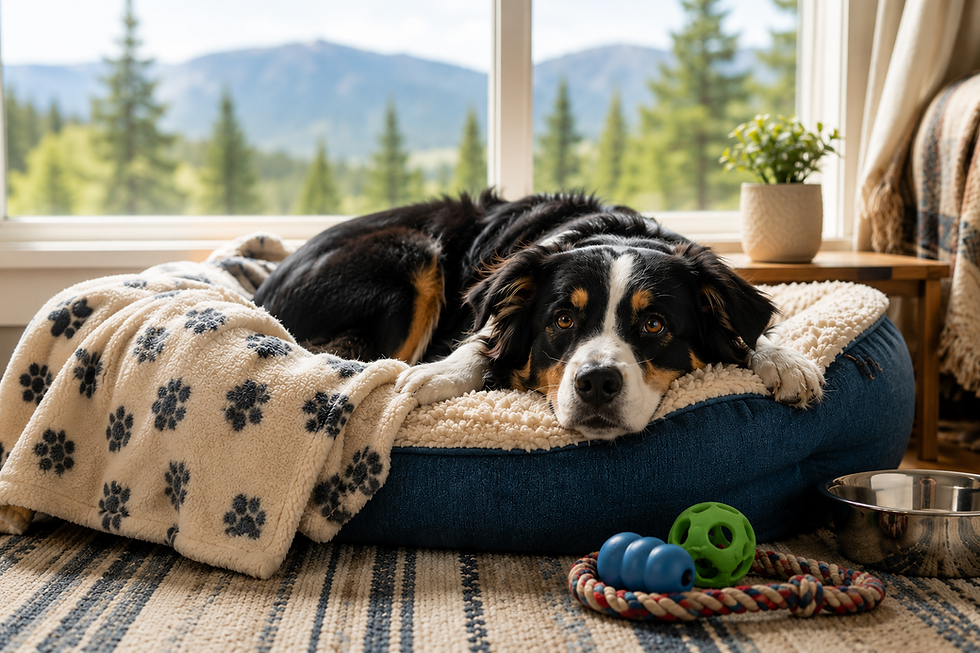
10 Ways to Keep Your Dog Safe This Fourth of July
1. Keep Your Dog Indoors
Even dogs with excellent recall should stay indoors once fireworks begin. Fear can override even the best training, causing dogs to panic and run.
Take your dog outside for a potty break before dusk, then bring them inside for the evening. Close windows and doors, lock pet doors, and be mindful of guests opening exterior doors.
2. Create a Safe Space
Give your dog a quiet place where they already feel comfortable.
This might be:
Their crate with the door left open
A quiet bedroom
A walk-in closet
Their favorite corner of the house
Include comforting items such as:
Favorite bedding
Water
Favorite toys
Long-lasting chews
Frozen Kongs
Lick mats
Stuffed food puzzles
Allow your dog to choose whether they'd like to rest there. Never force them to stay in one spot.
3. Reduce the Noise
While you can't eliminate fireworks, you can lessen their impact.
Close curtains and blinds to block flashing lights, then turn on:
A fan
White noise
Soft music
The television
These background sounds can help mask some of the startling noises outside.
4. Exercise Earlier in the Day
A dog that has had both physical exercise and mental enrichment is often better prepared to relax later.
Before fireworks begin, enjoy:
A neighborhood walk
A morning hike
A sniffari where your dog can explore with their nose
A short positive training session
Puzzle feeders
Nose work games
Snuffle mats
Mental exercise is just as valuable as physical activity.
5. Double-Check Identification
Even with careful planning, accidents happen.
Before the holiday, make sure your dog:
Is wearing a properly fitted collar
Has an ID tag with your current phone number
Has an updated microchip registration
These simple steps greatly increase the chances of being reunited if your dog becomes lost.
6. Watch the Barbecue Food
Holiday cookouts are full of foods that can be dangerous for dogs.
Keep your dog away from:
Corn cobs
Cooked bones, including poultry, pork, and turkey. Beef bones are ok. m
Onions
Grapes and raisins
Chocolate
Alcohol
Foods containing xylitol
Fatty table scraps
Instead, prepare a dog-safe treat or frozen enrichment toy so they can enjoy the celebration too.
7. Be Mindful of Guests
Holiday gatherings often mean people coming and going throughout the evening.
This creates opportunities for dogs to:
Slip through open doors
Become overwhelmed by strangers
Jump on guests
Steal food
Become stressed by excited children
If your dog is uncomfortable around crowds, it's perfectly okay to let them relax in a quiet room away from the excitement.
Not every dog enjoys parties—and that's okay.
8. Skip the Fireworks Show
Although it may seem fun to bring your dog along, fireworks displays are rarely enjoyable for them.
Large crowds, flashing lights, loud explosions, and unfamiliar surroundings can quickly become overwhelming.
The safest place for your dog is almost always at home in a calm, familiar environment.
9. Stay Calm and Offer Reassurance
Dogs notice our body language and emotions.
Speak calmly, move around the house normally, and avoid reacting dramatically to each firework.
If your dog seeks comfort, it's perfectly okay to offer gentle reassurance. Comforting your dog will not reinforce fear.
Instead:
Stay patient
Reward calm behavior
Allow your dog to choose where they feel safest
Never force them to "face their fears"
Fear isn't stubbornness; it's an emotional response that deserves compassion.
10. Talk to Your Veterinarian if Needed
If your dog experiences severe anxiety every Fourth of July, speak with your veterinarian before the holiday.
They may recommend behavior modification strategies, calming aids, or medication to help your dog feel more comfortable.

Can Firework Fears Improve?
Absolutely.
Many dogs become much more comfortable around loud noises through desensitization and counterconditioning, two proven training techniques that gradually teach dogs that scary sounds predict positive experiences like treats, games, or favorite activities.
This process should always happen slowly and at your dog's pace. Trying to "get them used to it" by exposing them to loud fireworks can actually make fear worse.
If fireworks are a yearly struggle for your dog, starting training well before the holiday can make a tremendous difference.
Wishing You a Safe and Happy Fourth of July
The Fourth of July should be enjoyable for every member of your family—including your dog.
With a little preparation, you can help prevent panic, reduce stress, and keep your best friend safe while everyone celebrates.
At Amy's Mountain Dog Training, we're passionate about helping dogs and their families build stronger relationships through positive, reward-based training. Whether you're raising a new puppy, working through behavior challenges, or helping your dog become more confident in everyday life, we're here to support you every step of the way.
We wish you and your four-legged family members a safe, happy, and peaceful Independence Day!


Comments