
Puppy Training Guide: Chewing, Potty Training, Socialization & More

Bringing home a new puppy is exciting, but it also comes with plenty of challenges. Puppies are constantly learning about the world around them, and understanding their behavior will help you build a strong bond and create good habits early on.
Chewing & Teething
Puppies naturally love to chew, especially while teething. Most puppies lose their baby teeth between 5–7 months old, so having appropriate chew toys is important.
Good options include:
Rubber toys such as Kongs
Nylabones
Durable puppy-safe chew toys
If your puppy grabs something they shouldn’t have, calmly trade the item for a toy or treat instead of chasing them. Teaching “drop it” is also very helpful.
To prevent unwanted chewing:
Limit access to certain areas of the house
Supervise closely
Redirect chewing onto approved toys
Use short crate breaks if your puppy becomes overly wild or overstimulated
Puppies may chew because of teething, boredom, tiredness, hunger, or wanting attention. Understanding the reason behind the behavior helps you respond appropriately.

Puppy Mouthing & Biting
Puppies often mouth and bite during play and development. This behavior is normal, but it still needs guidance.
Common reasons puppies bite:
Teething
Being overtired
Hunger
Boredom
Overstimulation
Needing exercise or attention
Helpful ways to reduce biting:
Provide daily physical and mental exercise
Use food puzzle toys and training sessions
Offer plenty of chew toys
Give naps in a crate or quiet area when overtired
Redirect biting onto toys
Toss treats away from you to redirect focus
Ignore attention-seeking biting when appropriate
If your puppy becomes overly mouthy or gets the “zoomies,” stay calm and redirect them into a more appropriate activity. Short timeouts can also help puppies settle down.

Name Recognition
Teaching your puppy their name is an important foundation skill.
How to practice:
Say your puppy’s name.
When they look at you, mark it with “yes!” and reward with a treat.
Move to another spot and repeat.
If your puppy is distracted, show them a treat and try again. Keep sessions short and positive.
It also helps to say your dog’s name before giving cues, such as:
“Bella, sit.”
“Max, outside.”
This teaches your puppy to pay attention when they hear their name.

Crate Training
Crates can help puppies feel safe and secure while also assisting with potty training and calm behavior.
Getting Started
Leave the crate door open and allow your puppy to explore
Toss treats or toys inside
Feed meals near or inside the crate
Reward your puppy for entering voluntarily
Building Comfort
Once your puppy is comfortable:
Close the door for a few seconds at a time
Gradually increase duration
Provide chew toys or Kongs while inside
Over time, your puppy should learn that the crate is a calm, positive place.
Crates can also be useful for:
Nap time
Preventing destructive behavior
Giving overstimulated puppies a quiet break
Eventually, your dog may learn cues like “crate” or “kennel.”

Potty Training
Potty training takes consistency and patience. Puppies need frequent opportunities to go outside.
Take Your Puppy Outside:
First thing in the morning
After naps
After eating or drinking
After play sessions
After training
When you return home
Helpful Potty Training Tips
Reward immediately after your puppy goes potty outside
Use a consistent cue such as “go potty”
Use the same door and potty area whenever possible
Watch closely for signs your puppy needs to go out
Consider hanging bells near the door for communication
If your puppy has an accident:
Do not punish them
Clean it thoroughly
If caught in the act, calmly bring them outside to finish
Young puppies may need potty breaks every hour at first before gradually increasing time between outings.
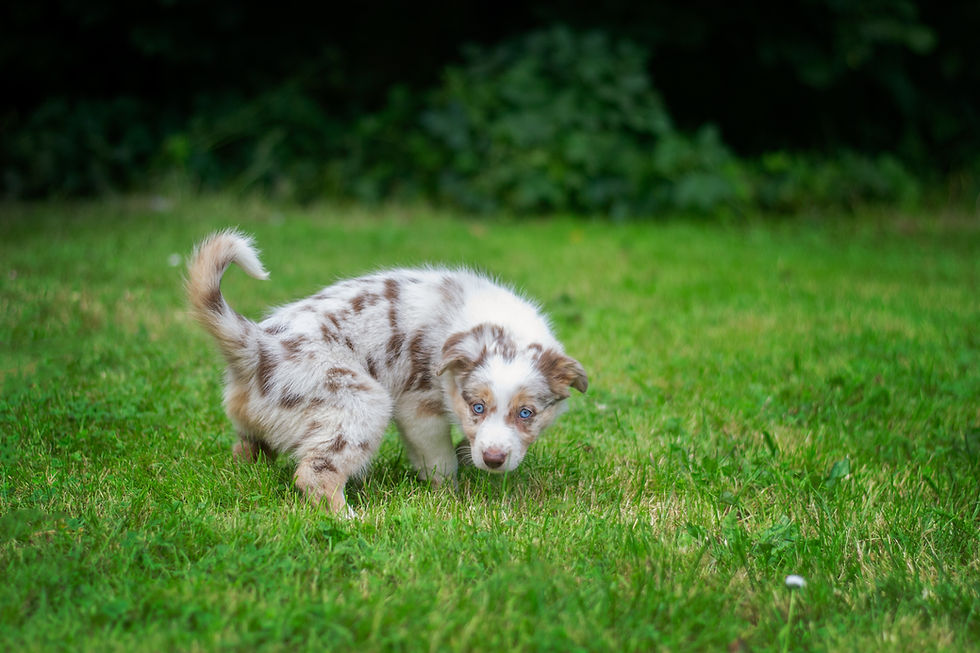
First Fear Phase
Puppies commonly experience a fear phase between 8–12 weeks old. During this time, they may suddenly become nervous about things that previously didn’t bother them.
If this happens:
Stay calm and patient
Let your puppy explore at their own pace
Avoid forcing them toward scary objects or situations
Reward brave behavior with treats and praise
Keep training sessions short and positive
Confidence grows through positive experiences and patience.
Socialization
Early socialization helps puppies grow into confident, well-adjusted dogs.
Your puppy should gradually experience:
Different people
Friendly dogs
New environments
Sounds, textures, and surfaces
Handling of ears, paws, tail, and mouth
Socializing Around Dogs & People
Reward calm behavior whenever your puppy notices:
Dogs walking by
New people
Busy environments
You can practice:
Watching the world from a distance
Car rides
Short walks
Calm exposure to everyday sights and sounds
Desensitization
Help your puppy become comfortable with:
Vacuum cleaners
Clapping or banging sounds
Different flooring textures
Gentle handling
Always let your puppy explore at their own pace. Avoid forcing interactions or overwhelming them.


Comments